Introduction to Spider Glazing Systems
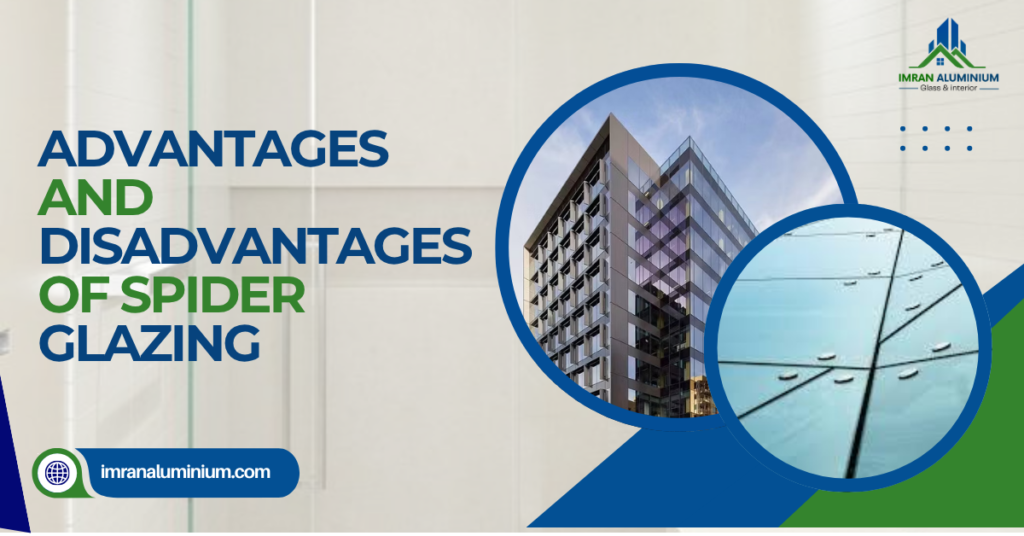
The advantages and disadvantages of spider glazing systems are important to understand before using this technology in modern construction projects. A spider glazing system is a type of frameless glass system where glass panels are supported by point fixings instead of heavy frames.
This system is widely used in commercial buildings, malls, airports, and luxury facades because it creates a clean and transparent appearance. The design is closely related to structural glazing, glass curtain wall systems, and modern glass architecture, offering both beauty and functionality.
However, like any construction method, it comes with both benefits and limitations that must be evaluated carefully.
What is a Spider Glazing System?
A spider glazing system is a point-supported glazing method where glass panels are fixed using stainless steel spider fittings. These fittings connect glass to a supporting structure such as steel or tension cables.
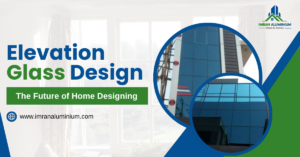
Unlike traditional windows, no visible frames block the view. This makes it ideal for creating large transparent surfaces like a spider glass facade.
Key Components:
- Stainless steel spider fittings
- Toughened or laminated glass panels
- Supporting steel structure
- Glass connectors and joints
This system is often used in combination with glass curtain wall designs for modern buildings.
Advantages of Spider Glazing Systems
- Spider glazing systems are widely used in modern architecture because they give buildings a clean, premium, and frameless appearance. This transparent design enhances the overall look of commercial buildings, showrooms, and modern facades, making them more visually attractive.
- One major advantage is the maximum use of natural light. Since no heavy frames are blocking the glass, sunlight easily enters the building. This helps create bright indoor spaces and can also reduce energy usage during the day.
- Another benefit is design flexibility. Spider glazing can be installed on both flat and curved surfaces, and it can easily integrate with steel or cable-supported structures. This allows architects to create more creative and modern designs.
- In addition, the system is strong and durable. It uses toughened or laminated glass that can withstand wind pressure and external impacts, making it suitable for long-term use in different environments.
Disadvantages of Spider Glazing Systems
One of the main disadvantages of spider glazing systems is the high cost. The materials used are expensive, and skilled professionals are required for installation, which increases the overall project cost.
Maintenance can also be challenging. Dust, dirt, and fingerprints are easily visible on glass surfaces, and cleaning the fittings or hard-to-reach areas can be difficult. This makes regular maintenance necessary.
The installation process is technically complex. It requires precise engineering and expert handling. Even a small mistake in alignment or fitting can create safety or performance issues.
Another limitation is insulation. Compared to traditional wall systems, spider glazing may provide less thermal insulation. Without proper energy-efficient glass, it can lead to higher cooling costs in hot climates.
Frameless Glass System vs Structural Glazing
Both systems are used for modern glass installation, but they differ in structure.
Frameless Glass System
- No visible frame
- Uses point fixings or silicone joints
- Focus on transparency
Structural Glazing
- Glass is bonded to the structure using adhesive
- Provides stronger support
- Used in high-rise buildings
Spider glazing often overlaps with both systems, depending on design requirements.
Point Supported Glazing in Engineering Design
Point-supported glazing is the engineering principle behind spider glazing systems. It distributes load through specific points instead of full-frame support.
Benefits in Engineering:
- Efficient load distribution
- Reduced structural weight
- Flexible architectural design
- Better stress management
This method is widely used in high-end architectural projects where both strength and beauty are required.
Modern Glass Architecture Trends
In today’s construction industry, modern glass architecture is becoming more popular. Architects prefer glass-based systems for their clean and futuristic look.
Key Trends:
- Full glass building facades
- Minimal frame visibility
- Integration with steel structures
- Energy-efficient glass technology
Spider glazing plays a major role in this trend due to its flexibility and aesthetic appeal.
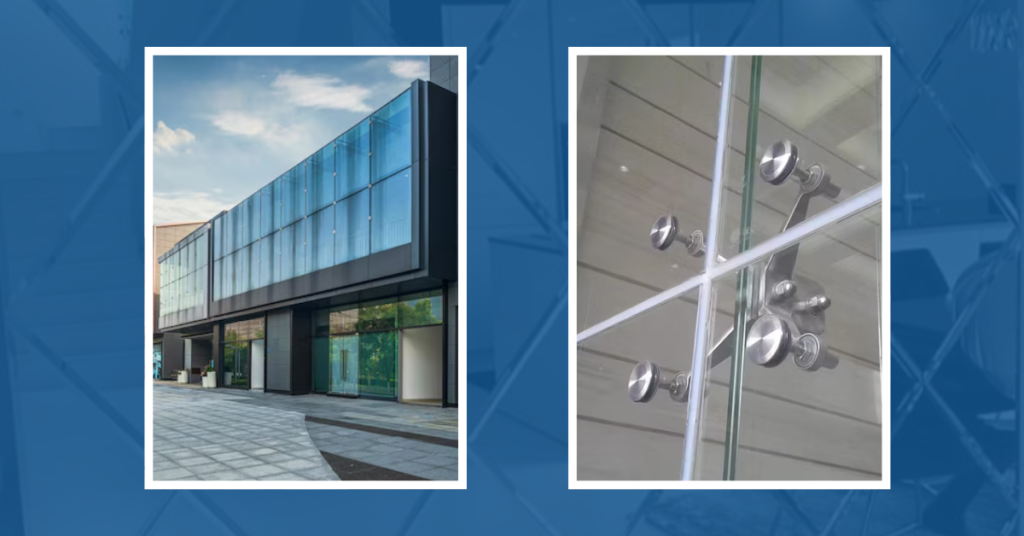
Glass Curtain Wall Integration
A glass curtain wall system can be combined with spider glazing for large-scale projects.
Advantages of Combination:
- Enhanced structural strength
- Improved thermal performance
- Better design flexibility
- Suitable for high-rise buildings
This combination is widely used in commercial skyscrapers and modern office towers.
When to Use Spider Glazing Systems
Spider glazing is not suitable for every project. It is best used when:
- Architectural design requires transparency
- A modern and luxurious appearance is needed
- Large glass surfaces are required
- Budget allows premium materials
It is less suitable for low-cost or energy-sensitive buildings.
If you want to understand how spider fitting systems work in modern buildings, this section provides detailed information. It explains the complete mechanism, including how glass panels are supported using spider fittings, how loads are distributed, and how the system maintains both strength and a frameless appearance in contemporary architecture.
Additional Service Information
In Karachi’s popular areas such as DHA, Clifton, Gulshan-e-Iqbal, and Bahria Town, Classic Glass Works is also providing professional spider glazing systems and glass facade installation services with high-quality finishing and reliable workmanship.
Conclusion
The advantages and disadvantages of spider glazing systems show that this technology is both innovative and specialized. It offers a modern, frameless, and highly aesthetic solution for contemporary architecture, especially in commercial and luxury projects.
However, its high cost, technical installation, and maintenance requirements must be carefully considered. When used correctly, spider glazing can significantly enhance the visual and functional value of any building.