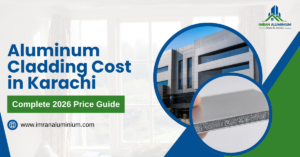
If you have ever walked past a modern office tower or a stylish shopping mall in Karachi, chances are you were looking at Aluminium Composite Panels without even knowing it. These smooth, shiny, and colorful sheets cover the outside of many buildings today. But why do architects, contractors, and homeowners love them so much? In this article, we will talk about the benefits of ACP installation, how it is done, and why it might be the right choice for your next project.
What Is ACP?
ACP stands for Aluminium Composite Panel. It is a flat sheet made of two thin aluminium layers with a solid core in between, usually made of polyethylene or a fire-resistant mineral material. Think of it like a sandwich, where the aluminium is the bread and the core is the filling. This simple design makes ACP sheets strong, light, and easy to shape.
Many people also search for ACP benefits or want to know the pros and cons and uses of ACP sheets before choosing this material for their homes or offices. Let’s break it all down in a simple way.
Top Benefits of ACP Installation
1. Lightweight Yet Durable
One of the biggest benefits of ac installation (yes, ACP is often just called AC by locals) is how light it is compared to materials like stone or brick. This means less pressure on the building structure, faster installation, and lower transport costs. Even though it is light, ACP is tough and can handle daily wear and tear for many years.
2. Superior Weather Resistance
Karachi’s weather can be harsh, with strong sun, humidity, and occasional heavy rain. ACP sheets are built to handle all of this. The aluminium layer protects the core from moisture, while the coating protects the surface from fading or peeling. This is why so many buildings choose aluminium cladding sheets for long-term outdoor use.
3. Fire Resistance for Safety
Safety is one of the most important reasons people choose ACP today. Standard panels use a plastic core, but fire-rated versions use a mineral-filled core that resists flames much better. These panels are tested against safety standards such as ASTM E84, which is managed by the ASTM International organization. If fire safety is a top concern for your project, you should also read about heat-resistant wall panels for fire safety to understand your options better.
4. Aesthetic Versatility
ACP sheets come in many colors, textures, and finishes. You can pick solid colors, metallic shades, wood-like designs, or even stone patterns. This gives architects the freedom to create a unique look for any building, from a small shop to a large commercial tower.
5. Easy to Install and Maintain
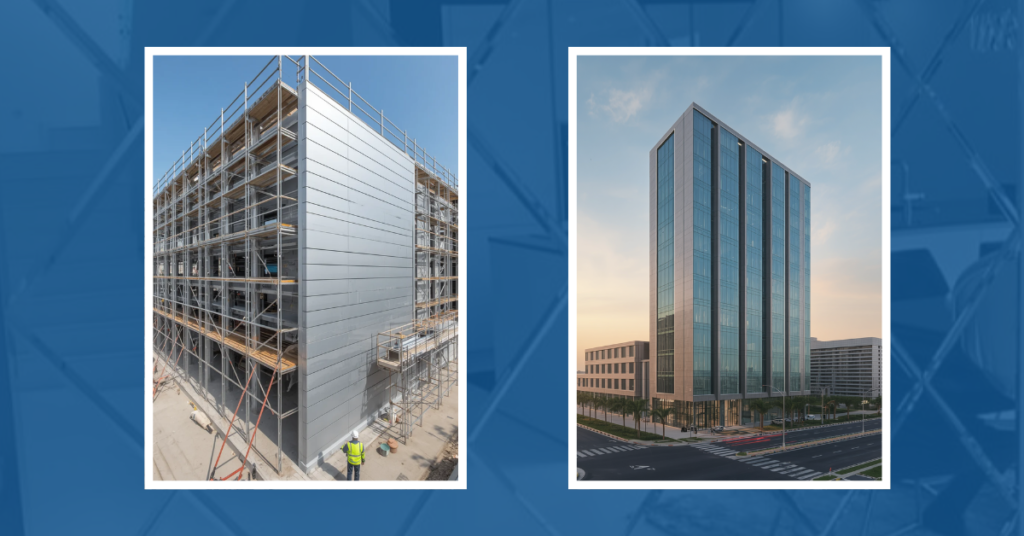
Compared to traditional materials, ACP installation is faster and simpler. Skilled workers can cut, shape, and fix panels without much difficulty. Once installed, the panels need only basic care to stay in top shape.
6. Cost-Effective Choice
When people compare an ACP sheet with an HPL sheet, cost is usually the deciding factor. ACP is generally more affordable, which is one reason it remains so popular for both small and large ACP installation methods across Pakistan.
7. Environmentally Friendly
Old ACP panels do not have to end up in a landfill. They can be recycled into new aluminium products or repurposed plastic items. Many manufacturers also hold Environmental Product Declarations, which support green building certifications like LEED. You can learn more about these standards from the U.S. Green Building Council.
8. Effective Noise Reduction
The layered structure of ACP panels naturally blocks some outside noise. This makes them a smart pick for buildings near busy roads or for offices that need a quieter indoor space.
9. Wide Range of Applications
ACP is not just for building exteriors. It is also used for:
- Exterior wall cladding
- Interior wall panels
- Signage and branding boards
- Room partitions
- Commercial facades
If you are working on a commercial project, take a look at our guide on ACP facade for commercial buildings in Karachi for more ideas.
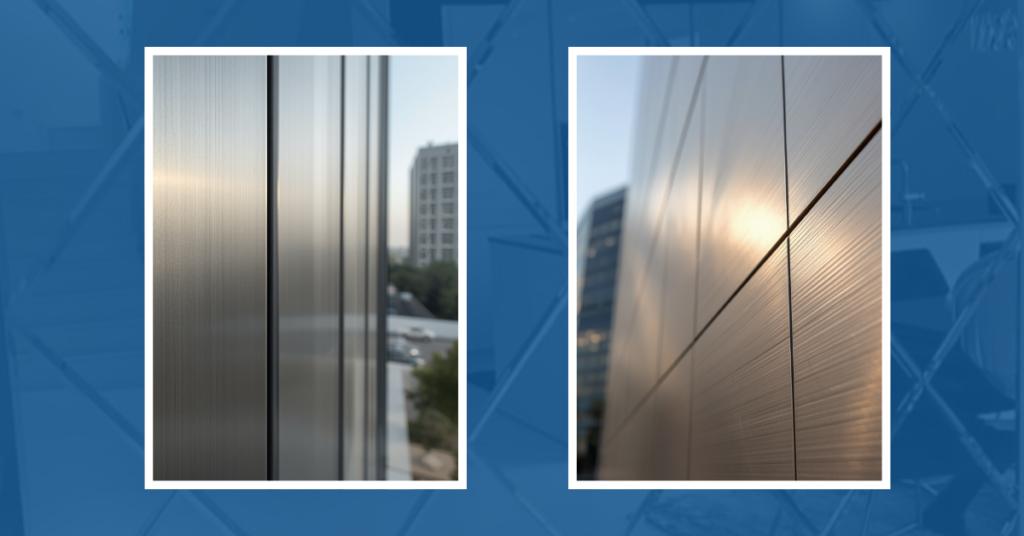
ACP Installation Basics
Now that we know the benefits, let’s look at the basic ACP installation details so you know what to expect.
- Step 1: Choose the Right Thickness. Thicker panels are better for windy areas or places where the wall might face heavy impact. Thinner panels work fine for calmer, low-risk locations.
- Step 2: Take Accurate Measurements. Careful measuring of the wall and panels helps avoid mistakes and wasted material.
- Step 3: Cut and Shape the Panels. Workers use tools like a circular saw or router to cut the ACP sheets into the needed shapes and sizes.
- Step 4: Prepare Safety Gear and Tools. Gloves, goggles, and helmets keep workers safe. Tools like a power drill, screwdriver, tape measure, and clamps help with a smooth fitting process.
- Step 5: Protect the Wall Surface. Before fixing the panels, a weather barrier and primer are applied to the wall. This keeps out moisture and improves the wall’s weather resistance.
- Step 6: Mount the Panels. Using fasteners, brackets, and strong adhesives, each panel is fixed straight and in the correct order.
How to Maintain Your ACP Panels
Good maintenance keeps your ACP looking new for many years. Here is a simple checklist:
- Clean panels regularly with mild soap and water
- Avoid harsh chemicals that can damage the coating
- Check gaskets and seals for wear
- Repair small scratches with touch-up paint
- Keep a log of cleaning and repair dates
- Add awnings or barriers in extreme weather areas
- Seal panel edges to stop water from getting in
- Choose lighter colors in very hot, sunny areas
Environmental Impact of ACP
ACP panels are fully recyclable at the end of their life. During recycling, the aluminium and polyethylene layers are separated. The aluminium is melted down and reused, while the polyethylene can become new products like pipes or plant pots. Choosing ACP cladding supports a circular economy and reduces waste sent to landfills.
What is the lifespan of ACP cladding?
ACP cladding usually lasts between 10 and 30 years. High-quality panels with strong coatings last longer and keep their colour better over time.
Can you paint or customize ACP panels after installation?
Yes, ACP panels can be painted using special coatings made for aluminium surfaces. Many manufacturers also offer custom colors and finishes before installation.
Is ACP cladding safe for homes and schools?
Yes, as long as you choose fire-resistant panels with proper safety certification, such as ASTM E84 or EN 13501-1. Always confirm the fire class before buying.
How do you clean ACP cladding?
Use mild soap, water, and a soft cloth or sponge. Avoid harsh chemicals and rough scrubbing tools, as they can damage the surface coating.
What are the main advantages of ACP?
ACP sheets offer strong thermal, acoustic, and wind insulation. This can lower energy costs while keeping the building safe, since aluminium does not catch fire easily even at very high temperatures.
Which is more expensive, ACP or HPL sheets?
ACP is generally more affordable than HPL, which is one reason it is widely used in commercial spaces across Pakistan. ACP sheets are commonly available in 3mm to 4mm thickness.
Final Thoughts
The benefits of ACP installation go far beyond looks. From fire safety and weather resistance to easy maintenance and eco-friendly recycling, ACP sheets offer real value for homeowners, businesses, and contractors alike. Whether you are building a new home, upgrading an office, or designing a commercial facade, ACP is a smart and modern choice.
If you are ready to start your project, explore our range of aluminium cladding sheets or get in touch with our team for expert guidance on the best ACP solution for your building.