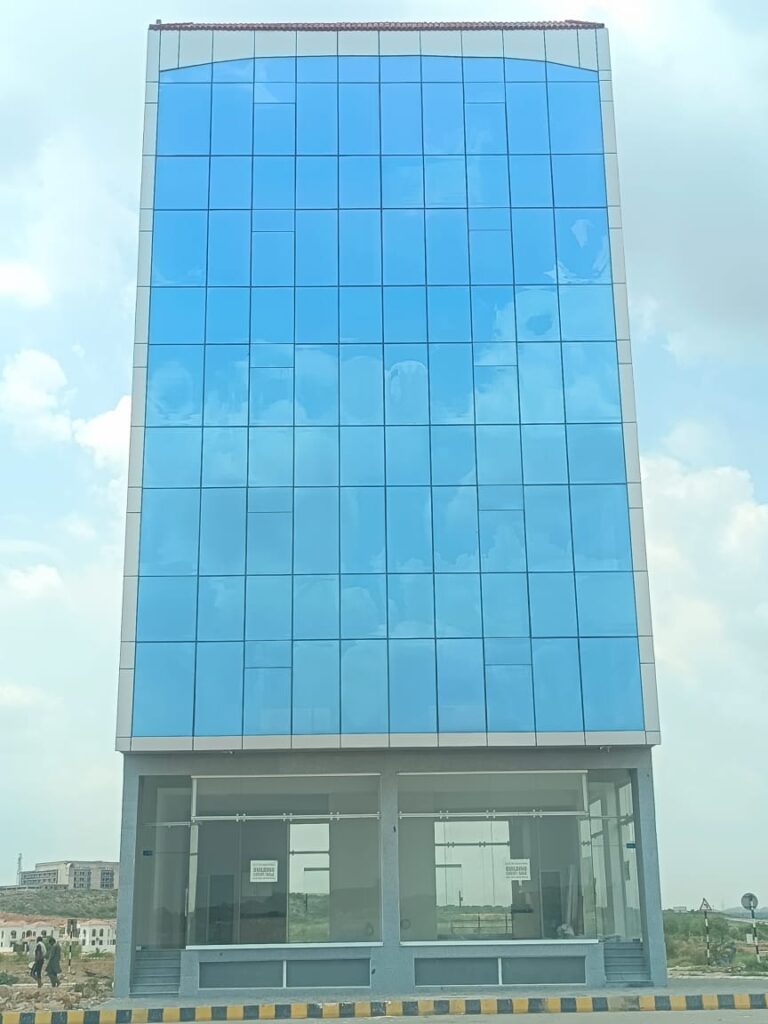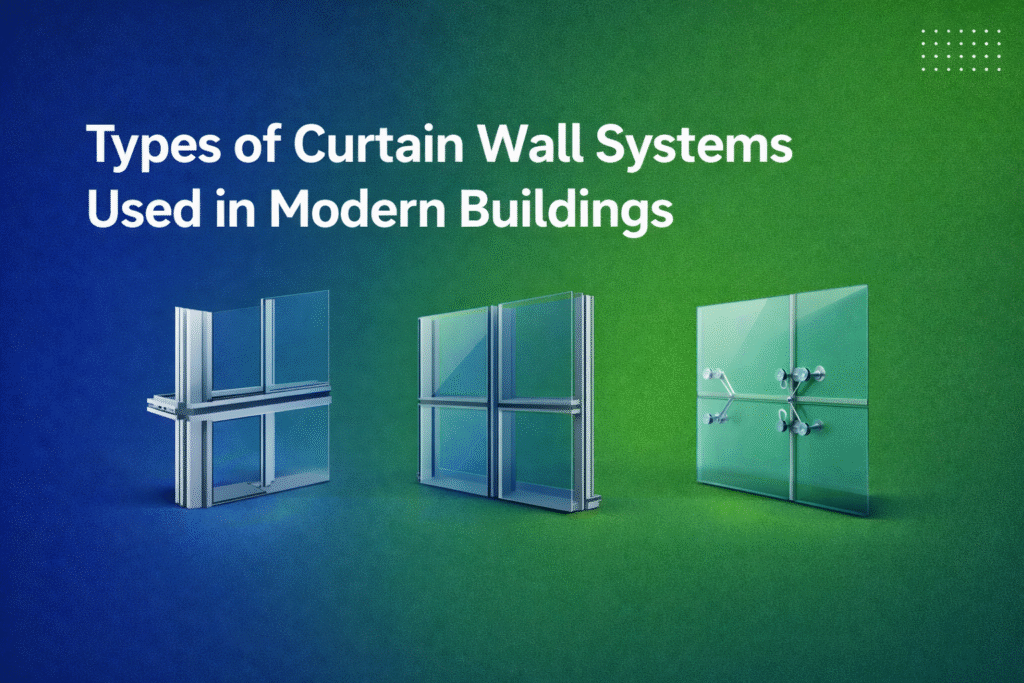
Modern architecture has evolved dramatically over the past few decades, and one of the most noticeable features of contemporary buildings is the use of curtain wall systems. These systems not only enhance the aesthetic appeal of a structure but also improve energy efficiency, durability, and overall performance.
Curtain walls are non-structural outer coverings of buildings, typically made of lightweight materials like glass, aluminium, or steel. Unlike traditional walls, they do not carry structural loads but are designed to resist air, water, and wind infiltration while supporting their own weight.
In this article, we will explore the most common types of curtain wall systems used in modern buildings and understand their unique features and benefits.
1. Stick System Curtain Wall
The stick system is one of the most traditional and widely used curtain wall systems. In this method, all components, such as mullions (vertical elements) and transoms (horizontal elements), are assembled piece by piece on-site.
Key Features:
- Installed directly at the construction site
- Flexible design options
- Suitable for low to mid-rise buildings
Advantages:
- Cost-effective for smaller projects
- Easier to transport due to smaller components
- Allows adjustments during installation
Disadvantages:
- Time-consuming installation
- Requires skilled labor
- Higher chances of installation errors
2. Unitised Curtain Wall System
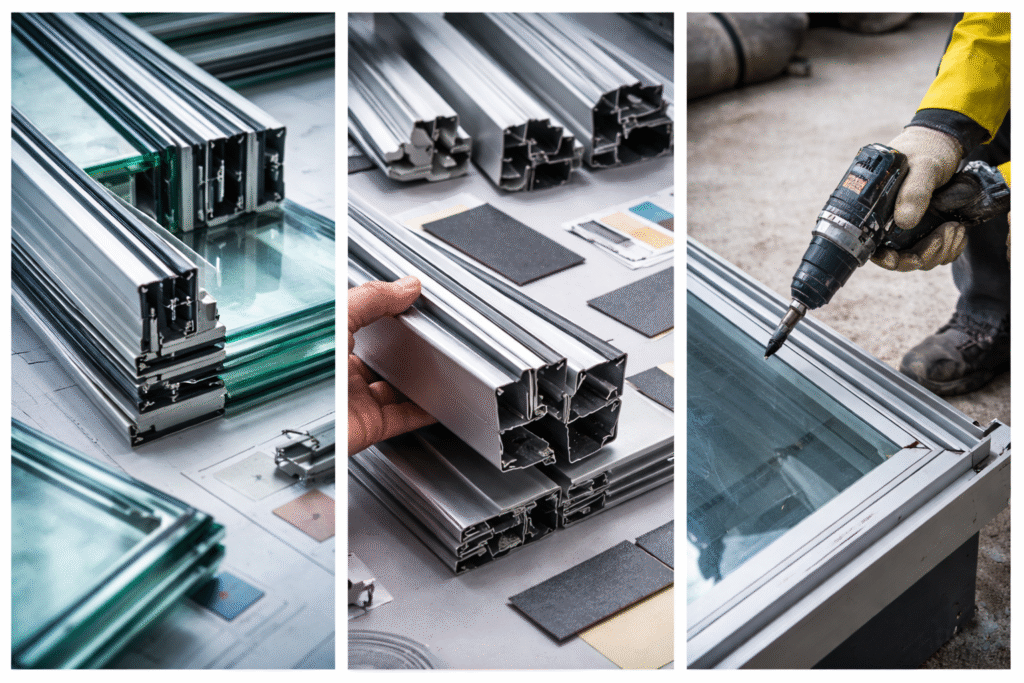
The unitised system consists of pre-fabricated panels that are manufactured in a factory and then transported to the construction site for installation.
Key Features:
- Pre-assembled units
- Includes glass, frame, and insulation
- Installed in large sections
Advantages:
- Faster installation
- Better quality control due to factory production
- Improved performance and durability
Disadvantages:
- Higher initial cost
- Transportation challenges
- Requires precise planning and design
This system is commonly used in high-rise commercial buildings due to its efficiency and reliability.
3. Semi-Unitised Curtain Wall System
As the name suggests, this system is a combination of stick and unitised systems. Some components are assembled in the factory, while others are installed on-site.
Key Features:
- Partial pre-fabrication
- Balanced approach between cost and performance
Advantages:
- Faster than the stick system
- More flexible than unitized system
- Reduced labor cost
Disadvantages:
- Still requires some on-site work
- Moderate installation complexity
This system is ideal for projects that require both flexibility and improved installation speed.
4. Structural Glazing Curtain Wall
Structural glazing systems focus on achieving a sleek, seamless glass appearance. In this system, glass panels are bonded to the frame using high-strength silicone sealants.
Types of Structural Glazing:
- Two-sided structural glazing
- Four-sided structural glazing
Advantages:
- Modern and elegant appearance
- Maximises natural light
- Smooth, frameless look
Disadvantages:
- Higher cost
- Requires precise engineering
- Maintenance of sealants is essential
This system is widely used in commercial buildings, malls, and corporate offices to create a premium look.
5. Spider Glass Curtain Wall System
Spider glazing is a type of structural glazing that uses stainless steel fittings (spider brackets) to hold the glass panels in place.
Key Features:
- Minimal framing
- Transparent and open appearance
- High-end architectural design
Advantages:
- Maximum visibility and aesthetics
- Allows more natural light
- Modern and luxurious appeal
Disadvantages:
- Expensive installation
- Requires high-quality materials
- Complex engineering
Spider systems are often used in showrooms, airports, and high-end commercial spaces.
6. Double Skin Curtain Wall System
A double skin curtain wall consists of two layers of glass separated by an air cavity. This design improves insulation and energy efficiency.
Key Features:
- Two glass layers
- Air gap for ventilation
- Advanced energy performance
Advantages:
- Reduces energy consumption
- Improves thermal insulation
- Enhances soundproofing
Disadvantages:
- High initial cost
- Complex design and maintenance
This system is ideal for sustainable and energy-efficient buildings.
7. Aluminium Curtain Wall System
Aluminium is one of the most commonly used materials in curtain wall systems due to its lightweight and corrosion-resistant properties.
Key Features:
- Strong yet lightweight
- Easy to fabricate
- Durable
Advantages:
- Long lifespan
- Low maintenance
- Cost-effective
Disadvantages:
- Less insulation compared to advanced systems
- Requires thermal breaks for energy efficiency
Aluminium curtain walls are widely used in both residential and commercial buildings.
8. Glass Curtain Wall System
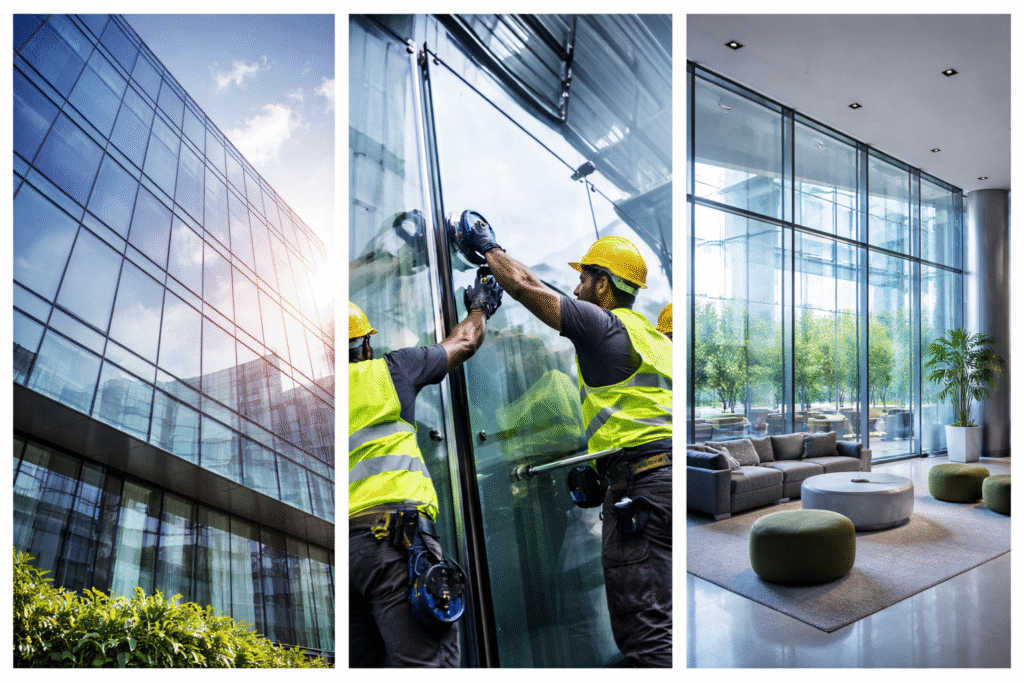
Glass curtain walls are primarily focused on aesthetics and transparency. These systems use large glass panels to create a modern and open look.
Key Features:
- Extensive use of glass
- Minimal visible framing
Advantages:
- Enhances natural lighting
- Modern architectural style
- Improves exterior appearance
Disadvantages:
- Heat gain issues
- Requires proper insulation
- Higher maintenance
Choosing the Right Curtain Wall System
Selecting the right curtain wall system depends on several factors:
- Building type (residential, commercial, high-rise)
- Budget and project timeline
- Desired aesthetics
- Energy efficiency requirements
- Local climate conditions
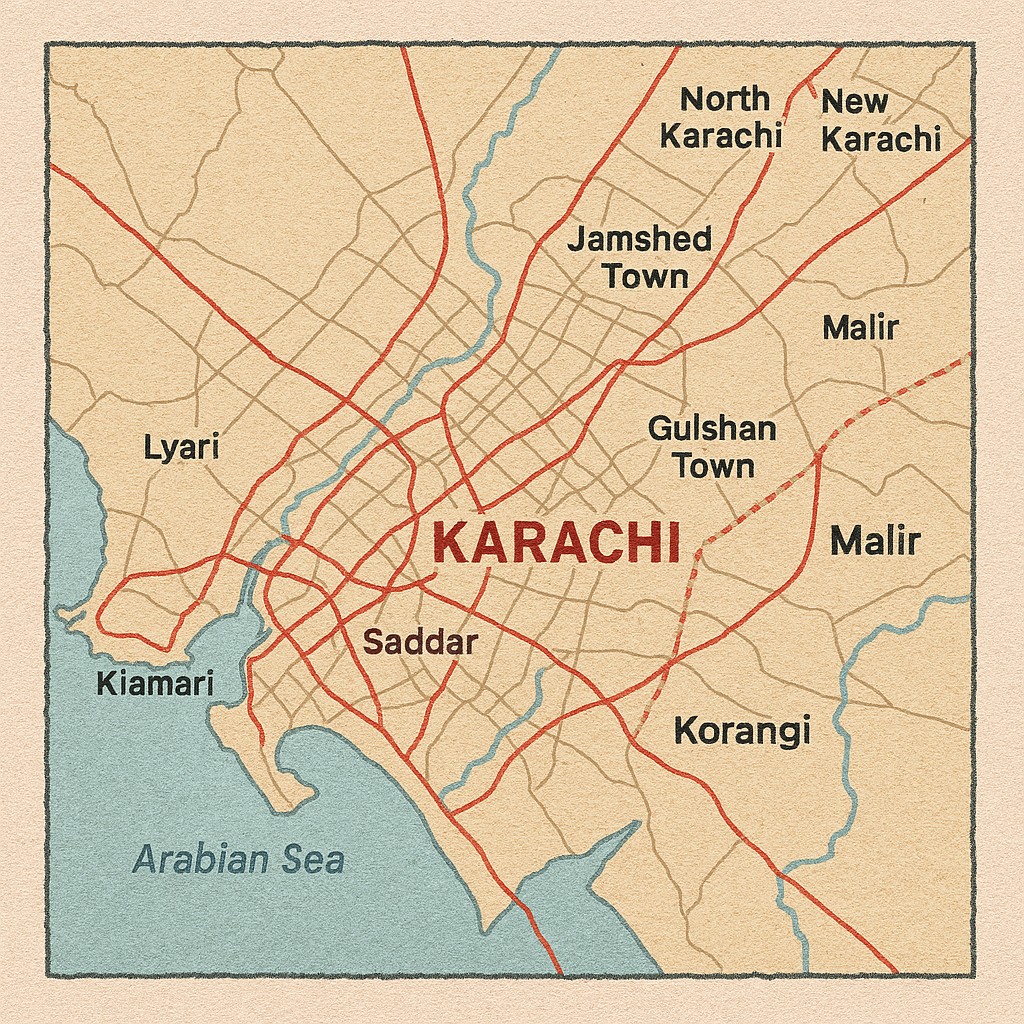
For example, in hot climates like Karachi, double-glazed or energy-efficient systems are preferred to reduce heat gain and improve indoor comfort.
Conclusion
Curtain wall systems play a vital role in modern architecture by combining functionality with aesthetics. From traditional stick systems to advanced double skin facades, each type offers unique benefits suited to different building requirements.Choosing the right system can significantly impact a building’s performance, durability, and visual appeal. As construction technologies continue to evolve, curtain wall systems will remain a key element in shaping the future of modern buildings.View the full article here.