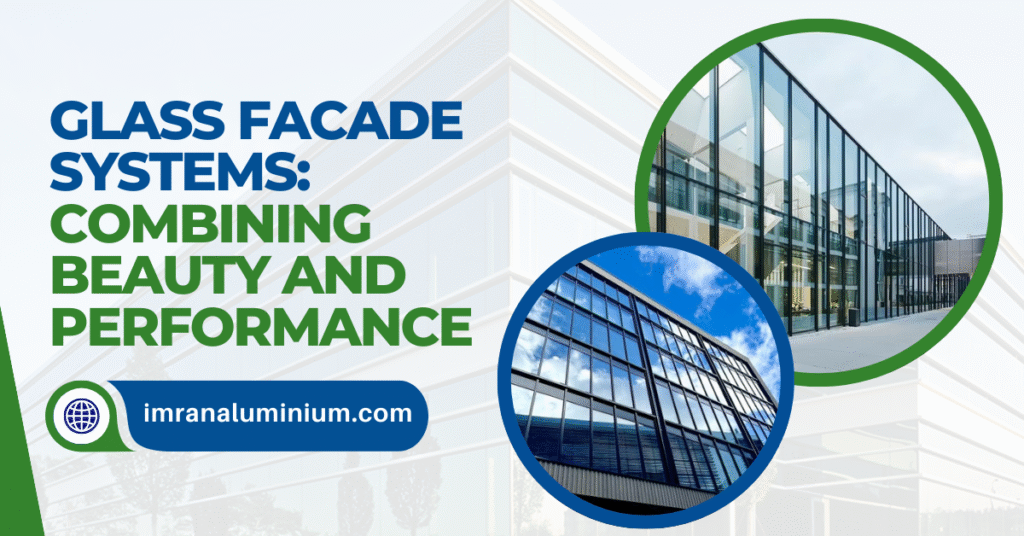
Modern architecture is evolving rapidly, and glass façade systems have become one of the most defining features of contemporary buildings. From commercial towers and shopping malls to corporate offices and luxury residences, glass façades are transforming skylines worldwide. These systems are not just about aesthetics — they combine beauty, performance, durability, and energy efficiency in one powerful architectural solution.
In this article, we explore how glass façade systems enhance building appearance while delivering long-term structural and environmental benefits.
What Are Glass Façade Systems?
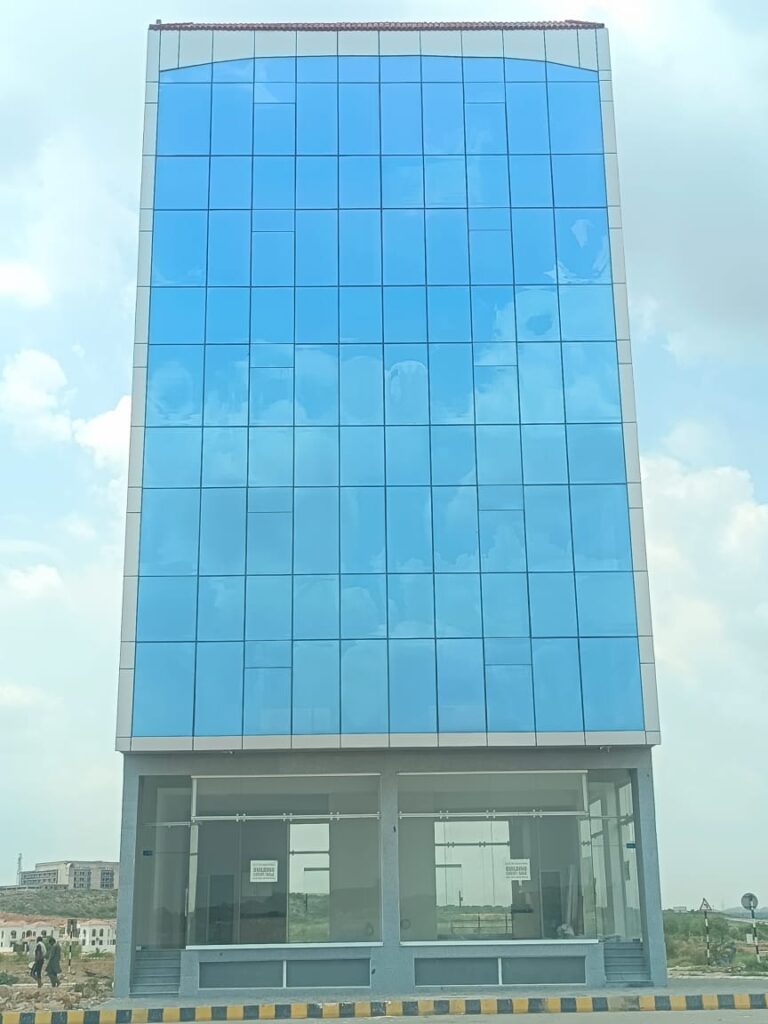
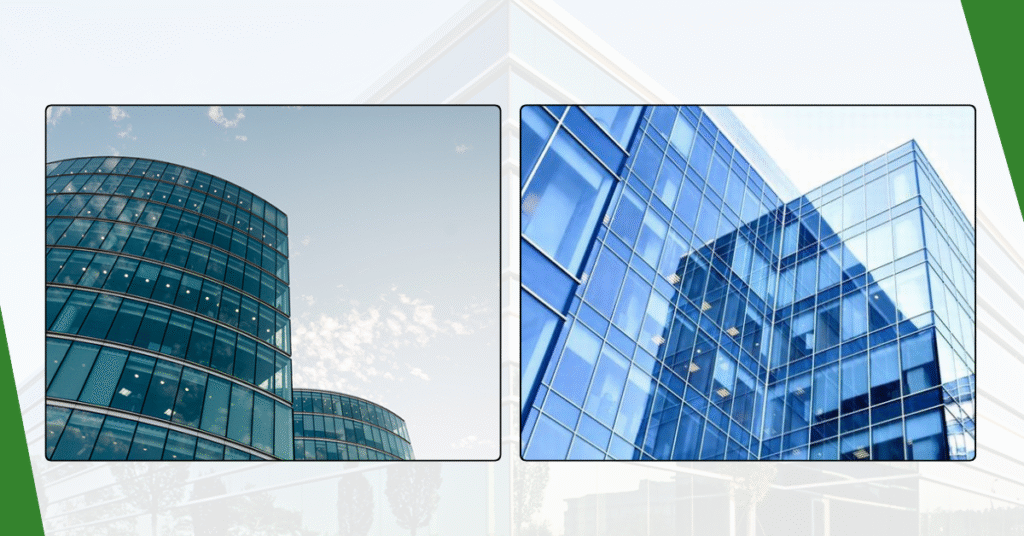
A glass façade system is the exterior surface or “skin” of a building that primarily consists of glass panels supported by aluminium, steel, or structural framing systems. Unlike traditional brick or concrete exteriors, glass façades provide transparency, natural lighting, and a modern appearance.
These systems are engineered to protect buildings from environmental elements such as wind, rain, heat, and noise while maintaining architectural elegance.
Why Glass Façades Are Popular in Modern Architecture
Glass façade systems have gained popularity for offering the perfect balance of style and functionality. Architects and developers prefer glass exteriors for several reasons:
1. Stunning Visual Appeal
Glass façades create a sleek, clean, and professional look. They give buildings a contemporary identity and help brands make a strong first impression. Reflective and tinted glass options also add sophistication and uniqueness to the structure.
2. Maximum Natural Light
One of the biggest advantages of glass façade systems is their ability to allow natural daylight into the building. This reduces reliance on artificial lighting during the day and creates a more productive indoor environment.
3. Energy Efficiency
Modern glass façade systems use advanced technologies such as double glazing, low-E coatings, and insulated glass units (IGUs). These features improve thermal insulation and reduce heat transfer, helping maintain indoor temperature and lower energy bills.
4. Weather Resistance
Properly installed glass façade systems are highly resistant to wind loads, heavy rain, dust, and extreme temperatures. They protect the internal structure from moisture infiltration and environmental damage.
5. Noise Reduction
Double-glazed and laminated glass panels significantly reduce external noise. This makes glass façades ideal for buildings located in busy urban areas.
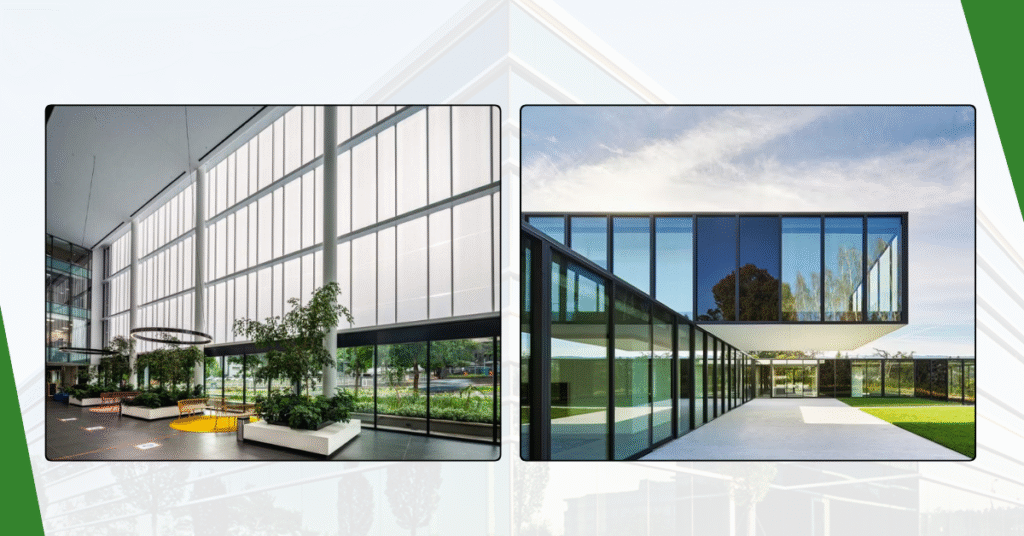
Types of Glass Façade Systems
There are several types of glass façade systems, each designed for specific architectural and structural needs.
Curtain Wall Systems
Curtain walls are non-structural outer coverings that are attached to the building frame. They do not carry structural loads but protect the building from external elements. Curtain walls are commonly used in high-rise commercial buildings.
Structural Glazing Systems
Structural glazing uses silicone sealants or specialized fittings to attach glass panels without visible frames. This creates a seamless, all-glass appearance that enhances architectural beauty.
Unitized Façade Systems
In this system, glass panels are manufactured and assembled in factory-controlled environments before being installed on-site. This improves quality control and speeds construction.
Spider Glazing Systems
Spider glazing uses stainless steel fittings to hold glass panels in place. It provides a frameless and highly transparent look, often used in showrooms, airports, and shopping malls.
How Glass Façade Systems Improve Building Performance
While beauty is important, performance is what makes glass façade systems a smart investment.
Thermal Insulation
Energy-efficient glass minimizes heat gain in summer and heat loss in winter. This improves HVAC efficiency and reduces operational costs.
Structural Strength
Tempered and laminated safety glass increases durability and impact resistance. Modern façade systems are engineered to withstand high wind pressure and seismic movements.
Sustainability Benefits
Green building standards encourage the use of energy-efficient façade systems. Glass façades help reduce the carbon footprint by lowering energy consumption and maximizing natural light.
Low Maintenance
High-quality glass panels are easy to clean and maintain. Protective coatings help resist dust accumulation and water stains, keeping the building exterior attractive for years.
Applications of Glass Façade Systems
Glass façade systems are widely used in:
- Commercial office buildings
- Corporate headquarters
- Shopping malls and retail outlets
- Hotels and resorts
- Hospitals and healthcare facilities
- Educational institutions
- Residential apartments
Their versatility makes them suitable for both large-scale commercial projects and premium residential developments.
Safety Considerations in Glass Façade Design
Safety is a critical aspect of façade engineering. Professional installation and proper material selection ensure long-term performance.
Key safety features include:
- Tempered or toughened glass
- Laminated safety glass
- Fire-resistant glass options
- Proper drainage systems
- Secure anchoring and structural support
Compliance with building codes and international safety standards is essential for reliable performance.
Cost vs. Long-Term Value
Although glass façade systems may have a higher initial investment than traditional materials, they offer excellent long-term value.
Benefits include:
- Reduced energy costs
- Lower maintenance expenses
- Increased property value
- Enhanced brand image
- Improved indoor comfort
For commercial buildings, a visually attractive glass façade can also attract tenants and customers, making it a profitable architectural choice.
Future Trends in Glass Façade Technology
The future of glass façade systems is focused on smart and sustainable innovation. Emerging technologies include:
- Smart glass with adjustable transparency
- Solar control glazing
- Photovoltaic glass panels that generate electricity
- Self-cleaning glass coatings
- Advanced thermal performance materials
As sustainability becomes a global priority, glass façades will continue to evolve to meet environmental and energy-efficiency standards.
Why are curtain wall works essential for modern buildings? Click the link below to get complete information and explore the benefits.
Conclusion
Glass façade systems perfectly combine beauty and performance in modern architecture. They enhance visual appeal, improve energy efficiency, and provide long-term durability. From curtain wall systems to structural glazing solutions, glass façades offer flexibility and innovation for commercial and residential buildings alike.
By investing in a professionally designed and installed glass façade system, property owners can achieve a striking architectural identity while ensuring structural protection and energy savings. As technology advances, glass façades will remain a cornerstone of contemporary building design.