Modern architecture focuses on transparency, elegance, and structural efficiency. One of the most important innovations that makes these design goals possible is the spider fitting system. These systems are widely used in glass façades, curtain walls, and structural glazing to create seamless and visually appealing building exteriors.
Spider fitting systems not only enhance the aesthetic appeal of modern buildings but also provide strong structural support for large glass panels. From commercial towers to shopping malls and airports, spider fittings have become a key component of contemporary construction.
.
What Is a Spider Fitting System?
A spider fitting system is a specialised hardware assembly used to connect glass panels to a building’s structural frame without the need for bulky aluminium frames. The system uses stainless-steel fittings shaped like spiders to hold the glass panels in place securely.
Each spider fitting typically has multiple arms, usually two, three, or four, depending on the design and load requirements. These arms connect to the glass using bolts and rotules (special connectors), keeping the glass stable while maintaining a clean, frameless appearance.
This design enables architects to create transparent building envelopes that maximise natural light and improve visual openness.
Main Components of Spider Fitting Systems
Spider fitting systems consist of several key components that work together to ensure strength and durability:
1. Spider Arms
These are the main structural connectors made from high-grade stainless steel. They distribute the load evenly across the glass panels and connect them to the support structure.
2. Rotules (Glass Connectors)
Rotules connect the spider arms directly to the glass panels. They allow slight movement, which helps absorb wind pressure, thermal expansion, and building movement.
3. Glass Panels
Spider systems typically use toughened or laminated safety glass. These types of glass offer high strength and prevent dangerous breakage.
4. Support Structure
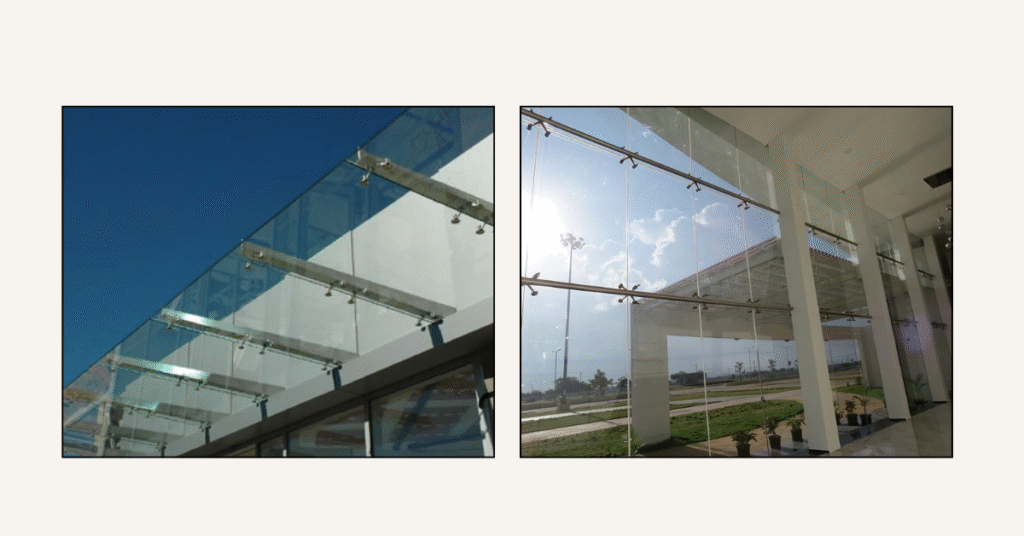
The spider fittings attach to structural supports such as steel beams, tension rods, or cables. These supports carry the overall load of the glass façade.
How Spider Fitting Systems Work
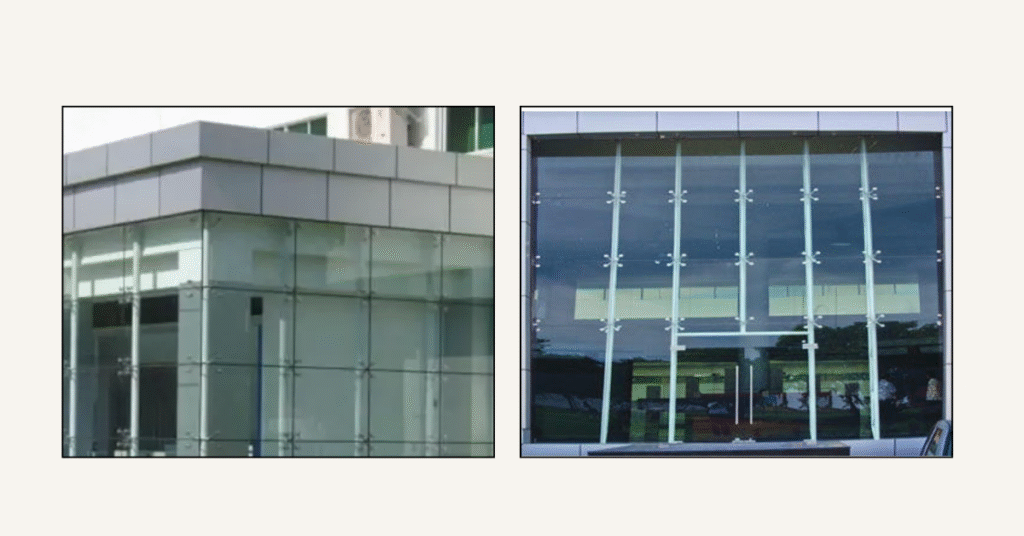
Spider fitting systems transfer loads from the glass panels to the building’s main structural framework. Here is a simple explanation of how they function:
Load Distribution
When glass panels are installed, the spider fittings hold them at specific points. These fittings distribute the weight evenly across the structure, preventing stress concentration.
Flexibility and Movement
Buildings naturally expand, contract, and move slightly due to temperature changes and wind loads. Spider fittings provide controlled flexibility, preventing glass breakage.
Structural Support
The spider fittings connect the glass panels to steel frames, rods, or cable systems. These structural elements provide the strength needed to safely support large glass surfaces.
Wind and Environmental Resistance
Modern spider fitting systems are designed to withstand strong winds, heavy rain, and temperature variations. They are often tested according to standards from organisations like ASTM International and the International Organisation for Standardisation to ensure safety and performance.
Types of Spider Fitting Systems
Spider fittings come in different types depending on structural requirements and design preferences.
1. 2-Way Spider Fittings
These connect two glass panels and are commonly used at edges or corners.
2. 3-Way Spider Fittings
These connect three panels and are typically used in T-junction areas.
3. 4-Way Spider Fittings
These connect four glass panels and are used in central areas of glass façades.
4. Custom Spider Fittings
Custom designs are used for special architectural projects with unique structural needs.
Manufacturers like CR Laurence produce high-quality spider fittings used worldwide.
Applications of Spider Fitting Systems
Spider fitting systems are used in many modern construction projects due to their flexibility and aesthetic appeal.
Commercial Buildings
Office towers use spider fittings to create impressive glass façades that reflect modern design.
Shopping Malls
Large glass entrances and atriums use spider systems to provide openness and natural light.
Airports
Airports require large transparent areas for visibility and lighting, making spider fittings an ideal solution.
Hotels and Luxury Buildings
High-end hotels use spider glazing systems to create elegant glass walls and entrances.
Iconic Structures
Famous buildings like the Burj Khalifa use advanced glass façade technologies, including spider fittings, to achieve their modern appearance.
Advantages of Spider Fitting Systems
Spider fitting systems offer several important benefits in modern architecture.
1. Frameless Appearance
They provide a clean, seamless look without bulky frames, enhancing building aesthetics.
2. Maximum Natural Light
Large glass panels let in more sunlight, reducing the need for artificial lighting.
3. High Strength and Safety
Made from stainless steel and toughened glass, these systems offer excellent durability and safety.
4. Flexibility and Movement Tolerance
Spider fittings accommodate structural movement and thermal expansion, preventing damage.
5. Long Lifespan
High-quality materials ensure long-term performance with minimal maintenance.
6. Modern and Professional Look
Spider systems enhance the overall value and appearance of commercial buildings.
Installation Process of Spider Fitting Systems
Proper installation is essential for safety and performance.
Step 1: Structural Preparation
Engineers prepare the steel or cable support system in accordance with design specifications.
Step 2: Spider Fitting Installation
Spider arms are attached to the structural supports using bolts or welding.
Step 3: Glass Panel Placement
Glass panels are carefully positioned and connected to the spider fittings using rotules.
Step 4: Alignment and Adjustment
Installers adjust the fittings to ensure perfect alignment and stability.
Step 5: Final Inspection
Engineers inspect the system to ensure safety and compliance with building standards.
Safety Features of Spider Fitting Systems
Safety is a major concern in modern construction, and spider systems offer multiple safety features.
- Use of laminated safety glass
- Strong stainless steel fittings
- Even load distribution
- Resistance to wind and environmental forces
- Compliance with international safety standards
These features ensure the system performs reliably for many years.
Maintenance Requirements
Spider fitting systems require minimal maintenance, but regular inspection is recommended.
Basic Maintenance Tips:
- Check fittings for looseness
- Clean glass panels regularly
- Inspect for corrosion or damage
- Replace damaged components immediately
Proper maintenance ensures long-term performance and safety.
Future of Spider Fitting Systems in Modern Architecture
Spider fitting systems continue to evolve as materials and engineering advance. Modern innovations include stronger stainless steel alloys, improved glass technology, and more efficient installation methods.
As architects continue to focus on transparency and sustainability, spider fitting systems will remain a key component of modern building design.
Their ability to combine strength, safety, and aesthetics makes them an ideal solution for modern glass façades.