Is Your AC Working Too Hard?
Every summer, millions of homeowners in Pakistan face the same problem. The AC runs all day, the electricity bill arrives, and the number on that bill feels like a punishment. You close the vents, you lower the thermostat, you try everything — but the bills keep climbing.
Here is something most people do not know: your windows might be the biggest reason your electricity bills are so high.
Old or poor-quality windows let hot air pour into your home. Your air conditioner then has to work twice as hard to cool the same space. The result? More electricity used, more money spent, and still an uncomfortable home.
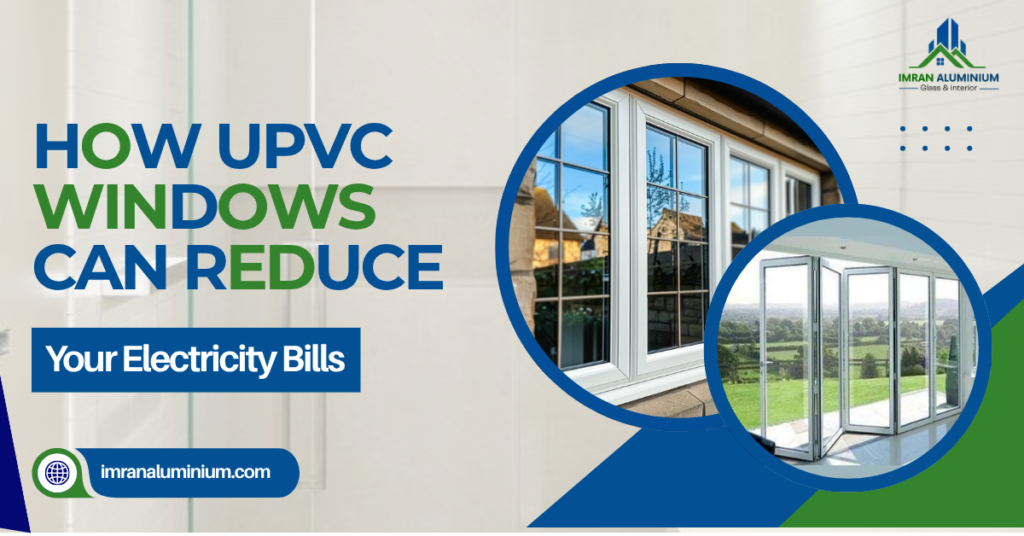
The good news is that uPVC energy-efficient windows can change all of this. In this article, we will explain exactly how uPVC windows reduce your electricity bills — in plain, simple language that anyone can understand.
How Heat Gets Into Your Home Through Windows
Before we talk about the solution, let us understand the problem.
When sunlight hits your window, heat travels through the glass and into your room. This is called heat transfer. It happens in three ways:
- Conduction — Heat passes directly through solid materials like glass and metal frames
- Convection — Warm air moves around inside the room
- Radiation — Invisible infrared rays from the sun pass through glass and heat everything inside
Standard single-pane windows do almost nothing to stop this. Metal frames like aluminum actually make things worse — they absorb heat and transfer it straight into your room.
Once all that heat is inside, your air conditioner has to remove it. More heat in = more AC usage = higher electricity bills. It is that simple.
What Makes uPVC Windows Energy-Efficient?
uPVC stands for Unplasticized Polyvinyl Chloride. It is a rigid, durable plastic material used to make window frames. But what makes it special is not just the material — it is the combination of smart design features that work together to block heat and save energy.
Let us go through each feature one by one.
Multi-Chamber uPVC Frames — Heat Cannot Pass Through
Open a uPVC window frame and look at the cross-section. You will see multiple small compartments inside, called chambers. A standard uPVC frame has 3 chambers. A high-quality one can have 5, 6, or even 7 chambers.
Each chamber traps a pocket of still air inside. Still air is a terrible conductor of heat, meaning heat cannot travel through it easily. So the more chambers a frame has, the harder it is for heat to pass from outside to inside.
Compare this to an aluminum frame, which is a solid piece of metal with no chambers. Aluminum conducts heat 1,000 times faster than uPVC. That is why rooms with aluminum windows feel like ovens in summer.
Multi-chamber uPVC frames are one of the most effective ways to stop heat at the very first point of entry — the window frame itself.
Double and Triple Glazing — Two (or Three) Walls of Protection
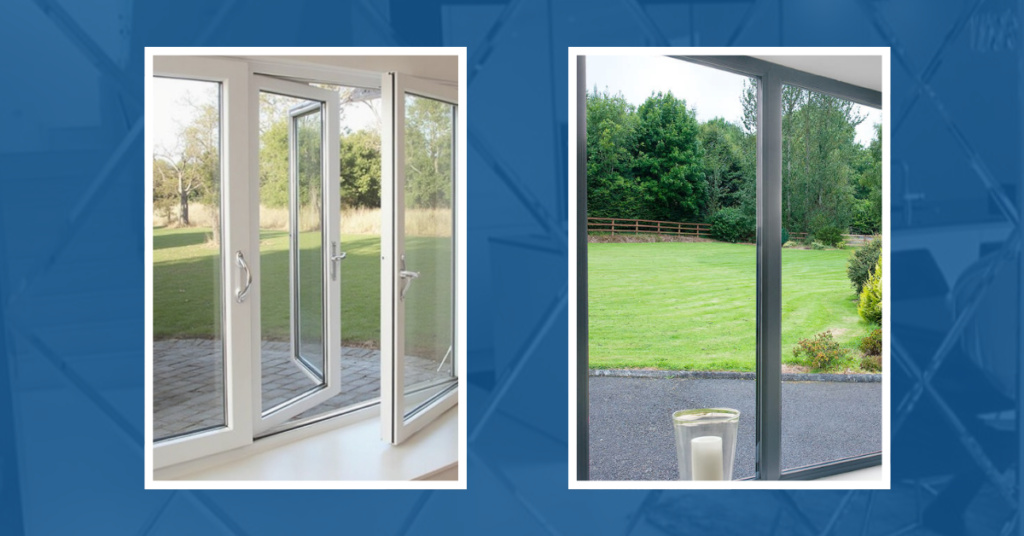
Standard windows have one layer of glass. Double glazing means two layers of glass with a sealed gap in between — usually 12 to 16mm wide — filled with argon gas or dry air.
Why does this matter? Because that gas-filled gap acts as an insulating barrier. Heat from outside tries to pass through the first pane of glass, but the gas layer slows it down significantly before it ever reaches the second pane and enters your room.
Triple glazing takes this even further — three layers of glass, two gas-filled gaps. This is ideal for extreme climates and can reduce heat transfer by up to 50% more than double glazing.
In Pakistan’s intense summer heat, double-glazed uPVC windows can make a dramatic difference in how much your AC has to run — and therefore how much electricity you use.
Thermal Insulation and U-Value — The Numbers Behind the Savings
When buying windows, you will hear the term U-value. This is the measure of how quickly heat passes through a window. The rule is simple:
Lower U-value = Better insulation = Less heat entering your home
Here is a quick comparison:
Window Type Typical U-Value
Single-pane aluminum 5.0 – 6.0 W/m²K
Double-glazed uPVC 1.4 – 2.8 W/m²K
Triple-glazed uPVC 0.6 – 1.0 W/m²K
You can also hear about R-value, which is the opposite of U-value — it measures resistance to heat flow. A higher R-value means better thermal insulation. uPVC windows with double or triple glazing have significantly higher R-values than standard windows.
When your windows have a low U-value, less heat enters in summer. Your AC does not have to fight as hard to cool the room, and your cooling cost reduction can be dramatic — often between 20 and 40 percent on your electricity bill.
Airtight Sealing — Stopping the Leaks You Cannot See
Here is something surprising: even if you have good glass, heat can still sneak into your home through tiny gaps around the window frame. This is called air leakage, and it is responsible for a huge amount of wasted energy in most homes.
Airtight window sealing in uPVC windows is achieved through high-quality rubber gaskets and compression seals that press firmly against the frame when the window closes. These seals create a near-perfect barrier that stops:
- Hot air from leaking in around the edges
- Cool (air-conditioned) air from escaping outside
- Dust, pollution, and insects from entering
Air tightness and reduced leakage together mean your AC-cooled air stays inside where it belongs. You get more cooling from the same amount of electricity, which directly translates to lower bills.
How uPVC Windows Help in Pakistan's Hot Climate
Pakistan’s hot climate energy saving is a real and urgent need. Cities like Multan, Karachi, Lahore, and Hyderabad regularly see temperatures above 40°C in summer. In these conditions, air conditioning is not a luxury — it is a necessity.
But running AC in such heat is expensive. The hotter it is outside, the more your AC struggles to keep up — especially if your windows are letting that heat pour in.
uPVC energy-efficient windows are specifically well-suited for hot climates because:
- They block solar heat gain before it enters the room
- Their multi-chamber frames do not absorb and radiate heat like metal frames do
- Their airtight seals prevent hot outdoor air from leaking inside
- They reduce the load on your air conditioner, extending its lifespan too
Many homeowners in Pakistan who have switched to uPVC windows report that their AC units run 30 to 50 percent less throughout the day, which means a directly proportional drop in electricity consumption.
Noise Reduction — A Bonus Benefit
Saving electricity is the main topic here, but it is worth mentioning one important bonus: noise reduction windows.
The same double-glazed glass and multi-chamber frames that block heat also block sound. If you live near a busy road, a market, or a construction site, uPVC windows can reduce outside noise by up to 40 decibels. That is the difference between hearing traffic clearly and barely noticing it.
This makes uPVC windows a double investment — you save money on electricity, AND you get a quieter, more peaceful home.
How Much Can You Actually Save?
Let us put some real numbers to this. Assume an average Pakistani household spends around PKR 25,000 to 40,000 per month on electricity in peak summer. A significant portion of that goes to running air conditioning.
With properly installed uPVC energy-efficient windows:
- AC runtime can be reduced by 25 to 40 percent
- Monthly savings could range from PKR 6,000 to 16,000 during the summer months
- Annual savings over a full year (including milder seasons) could be PKR 40,000 to 80,000+
The cost of installing uPVC windows varies based on size and specifications, but the electricity bill savings typically recover the investment within 3 to 5 years — and the windows last 20 to 35 years. Every year after that is pure savings.
For more information on calculating your potential energy savings, you can visit Energy Star’s window savings calculator.
Choosing the Right uPVC Windows for Maximum Savings
Not all uPVC windows are equally efficient. Here is what to look for:
Check the U-value — Ask your supplier for the U-value. Look for 1.4 or lower for double glazing, and 1.0 or lower for triple glazing.
Count the chambers — More chambers in the frame mean better thermal insulation. Go for at least 5-chamber profiles.
Choose double or triple glazing — Double glazing is a great starting point for most Pakistani homes. Triple glazing offers maximum savings in extreme heat zones.
Inspect the seals — Ask to see the rubber gaskets and compression seals. They should feel firm and dense, not thin or flimsy.
Hire professional installers — Even the best window will underperform if installed poorly. Poor installation creates gaps that destroy airtight sealing and eliminate most of the energy benefits.
Q1: How much can I save on electricity bills with uPVC windows?
Savings vary based on your location, climate, existing window type, and household habits. Still, many homeowners report reductions of 20 to 30 percent or more in their heating and cooling costs after switching to uPVC energy-efficient windows. In hot climates like Pakistan, savings can be even higher during peak summer months.
Q2: Are uPVC windows only good for insulation against heat?
No, not at all. uPVC windows are excellent insulators against both heat gain in summer (reducing AC usage) and heat loss in winter (reducing heater usage). This means you save electricity in all seasons, not just summer, making them a smart year-round investment.
Q3: Do uPVC windows require special maintenance?
One of the biggest advantages of uPVC is how little maintenance it needs. There is no painting, sealing, or treating required. You only need to wipe the frames occasionally with soapy water to keep them clean and functioning well. The rubber seals may need checking every few years, but overall upkeep is very minimal.
Q4: How long do uPVC windows typically last?
With proper installation and minimal maintenance, high-quality uPVC windows can last 20 to 35 years or even longer. Unlike wood, they do not rot or warp. Unlike aluminum, they do not corrode. This makes them a very durable long-term investment for your home.
Q5: Can uPVC windows reduce noise from outside?
Yes, absolutely. The multi-chamber frames and double-glazed units of uPVC windows are very effective at dampening external noise. Depending on the glass thickness and number of chambers, they can reduce outside noise by up to 40 decibels — making your home noticeably quieter and more peaceful.
Conclusion: Stop Paying for Heat You Never Wanted
Your electricity bill is not just about how much your AC runs. It is about how hard your entire home forces your AC to work. And nothing forces it to work harder than windows that let summer heat pour straight inside.
uPVC energy-efficient windows solve this problem at the source. With multi-chamber frames, double and triple glazing, thermal insulation, and airtight sealing, they create a proper barrier between the scorching heat outside and the cool comfort you want inside.
For homeowners in Pakistan, especially, where summers are brutal, and electricity is expensive, this is not just a comfort upgrade — it is a financial decision that pays for itself over and over again.
If you are serious about cutting your cooling costs and reducing your electricity bills, uPVC windows are one of the smartest investments you can make in your home today.
Want to learn more about energy-saving home improvements? Read our related guide on What Are Heat-Proof Windows? Do uPVC Windows Really Reduce Heat? — or visit GreenSpec’s guide to uPVC windows for detailed technical information.