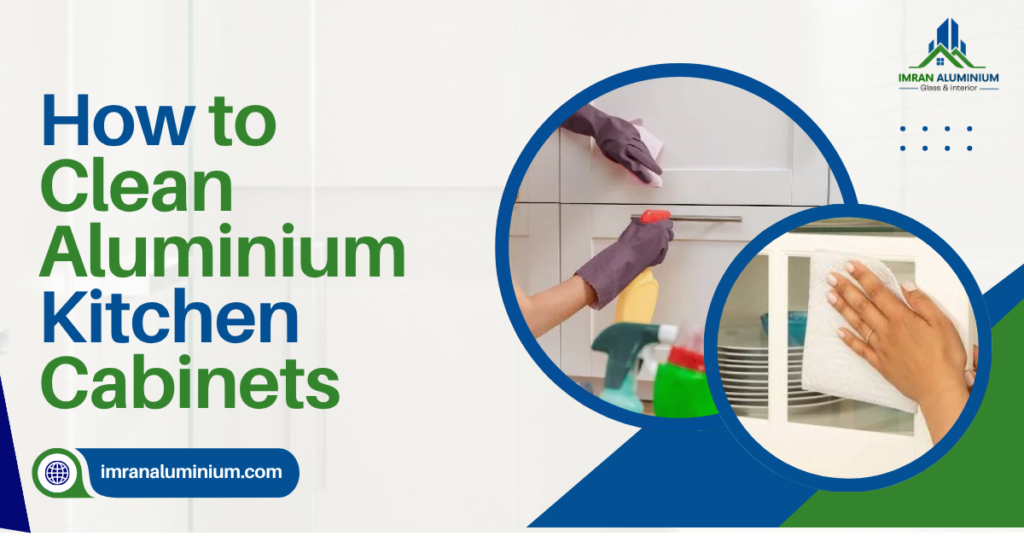
If your kitchen has aluminium cabinets, you have already made a smart choice. They look sleek, last for years, and are easy to take care of. But even the best cabinets get dirty over time. Cooking oil, dust, fingerprints, and food splashes can make them look dull and messy. The good news? Learning how to clean aluminium kitchen cabinets is very simple — you don’t need expensive products or a lot of time.
In this guide, we will walk you through everything step by step. Whether you are dealing with everyday dust or tough grease, these tips will help you get your cabinets shining like new again. Let’s get started.
Why Aluminium Kitchen Cabinets Are Easier to Maintain Than Other Materials
Before we talk about cleaning, let’s understand why aluminium is such a popular choice for kitchen cabinets. Wood cabinets can absorb moisture and start to warp or swell. Particle board cabinets can break apart when they get wet. But aluminium does not have these problems.
Aluminium is a metal that resists rust, moisture, and heat. This means it does not get damaged by steam from cooking or water splashes near the sink. It is also very smooth, so dirt and grease do not stick to it as strongly as they do on rough wooden surfaces. This makes kitchen cabinet cleaning much faster and easier.
Another big benefit is that aluminium does not absorb bad smells. Wood cabinets can sometimes start to smell over time, especially in humid kitchens. With aluminium cabinets, you don’t have to worry about that at all.
If you are thinking about getting aluminium cabinets for your kitchen, you can explore the expert options available at Imran Aluminium – Aluminium Kitchen Cabinets in Karachi. They offer premium quality cabinets that are built to last and easy to maintain.
Things You Need Before You Start Cleaning
You do not need fancy tools or expensive products to clean aluminium kitchen cabinets. Most of what you need is probably already in your home right now. Here is a simple list:
- Warm water
- Mild dish soap or liquid detergent
- White vinegar (for grease removal from cabinets)
- Baking soda (for tough stains)
- A few soft microfiber cloths
- A soft sponge
- An old toothbrush (for corners and edges)
- A dry towel
One important thing to remember: never use steel wool, rough scrubbing pads, or harsh chemicals like bleach on your aluminium cabinets. These can scratch the surface or damage the finish. Always stick to gentle tools and mild cleaning solutions.
How to Clean Aluminium Kitchen Cabinets Properly — Step by Step
Now let’s get into the main part — the actual cleaning process. Follow these steps and your aluminium kitchen cabinet doors will look spotless.
Step 1: Remove Everything from the Cabinet Doors
Start by taking off any items hanging on or near the cabinet doors. Remove dish towels, hooks, or anything attached to the outside. This makes it easier to clean every part of the surface without missing any spots.
Step 2: Wipe Off Loose Dust First
Take a dry microfiber cloth and gently wipe down all the cabinet surfaces. This removes loose dust, crumbs, and debris. If you skip this step and go straight to wet cleaning, you might just spread the dirt around instead of removing it. A quick dry wipe first makes the whole cleaning process much more effective.
Step 3: Mix Your Cleaning Solution
Fill a small bowl or bucket with warm water and add a few drops of mild dish soap. Stir it gently until you see a little foam. This simple soap-and-water mix is your main cleaning solution and works well for regular kitchen cabinet cleaning.
Step 4: Wipe Down the Cabinet Doors
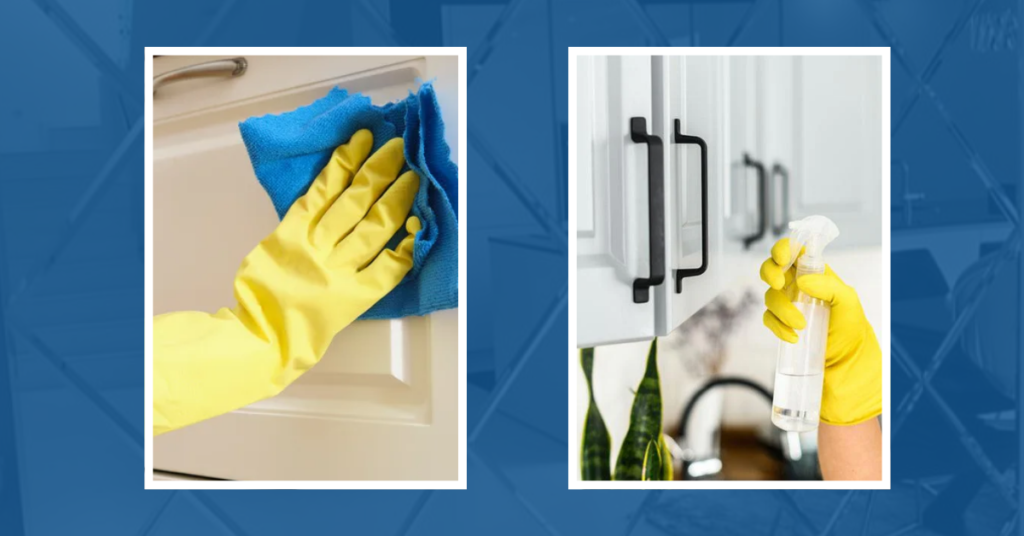
Dip your soft sponge or cloth into the soapy water and wring it out so it is damp, not dripping. Wipe the cabinet doors in gentle, circular motions. Pay special attention to areas around the handles, as those spots collect the most fingerprints and grime. For cleaning kitchen cabinet doors, always wipe in one direction to avoid streaks.
Step 5: Clean the Corners and Edges
Take your old toothbrush and dip it in the soapy water. Use it to scrub gently along the edges, corners, and around the hinges. These areas are easy to miss but can collect a surprising amount of grime and grease over time. The toothbrush lets you reach spots that a regular cloth cannot get into.
Step 6: Rinse with a Clean Damp Cloth
After scrubbing, take a clean cloth dampened with plain water (no soap) and wipe down all the surfaces again. This removes any soap residue. Leaving soap behind can cause a film to build up over time, which makes the cabinets look dull.
Step 7: Dry Thoroughly
Use a dry towel to wipe all surfaces completely dry. This is an important step. Leaving water on aluminium surfaces for a long time can cause water spots or a whitish film to appear. A quick dry after washing keeps your cabinets looking shiny and clean.
Grease Removal from Cabinets — How to Handle Stubborn Oil Stains
If you cook a lot, grease removal from cabinets becomes a regular task. Cooking produces oil vapors that float in the air and then settle on nearby surfaces, including your cabinet doors. Over time, this builds up into a sticky, yellowish layer that soap and water alone may not be able to remove.
Here are two effective methods for removing tough grease:
Method 1: White Vinegar Solution
Mix equal parts of white vinegar and warm water in a spray bottle. Spray it directly onto the greasy area and let it sit for 3 to 5 minutes. Then wipe with a soft cloth. Vinegar is a natural cleaner and cuts through grease very well. It is also safe to use on aluminium and does not cause any damage. After cleaning, rinse with plain water and dry immediately.
Method 2: Baking Soda Paste
For really tough, thick grease, make a paste by mixing baking soda with a little water. Apply the paste to the greasy spot and leave it for 5 to 10 minutes. Then gently scrub with a soft sponge or old toothbrush. Baking soda is a mild abrasive that helps lift grease without scratching the aluminium surface. Rinse and dry after cleaning.
Long-Term Maintenance for Aluminum Kitchen Cabinets
Cleaning your cabinets regularly is important, but long-term maintenance goes beyond just wiping them down. Here are some habits that will keep your aluminium kitchen cabinets in excellent condition for many years:
- Clean spills immediately — Never let food or liquid sit on the cabinet surface. The sooner you wipe up a spill, the easier it is to clean.
- Do a light wipe-down weekly — A quick wipe with a damp cloth once a week stops dirt and grease from building up.
- Deep clean once a month — Use the full step-by-step method described above once a month to remove any grease and grime that has accumulated.
- Check hinges and handles — Occasionally tighten loose screws on hinges and handles. Loose parts can scratch the cabinet surface over time.
- Avoid strong chemicals — Never use products containing bleach, ammonia, or strong acids. These can damage the aluminium finish and cause discoloration.
- Use a mild polish occasionally — You can apply a small amount of aluminium-safe metal polish every few months to restore the shine and add a thin protective layer.
- Ensure proper ventilation — Good airflow in your kitchen reduces the amount of cooking grease that settles on surfaces, including your cabinets.
With these simple habits, your cabinets will stay in great shape for a very long time. If you are interested in getting new high-quality aluminium cabinets installed, Imran Aluminium’s kitchen cabinet service offers custom solutions designed for Pakistani homes in Karachi.
Common Mistakes to Avoid When Cleaning Aluminium Cabinets
Many people accidentally damage their cabinets because they use the wrong products or methods. Here are the most common mistakes to watch out for:
- Using steel wool or abrasive scrubbers — These will leave permanent scratches on the aluminium surface.
- Using bleach or strong chemical cleaners — These can discolor or corrode the aluminium finish.
- Leaving the cabinets wet — Water left to dry on its own can leave spots and streaks.
- Using too much water — Excess water can get into joints and cause long-term problems.
- Ignoring the corners — Grease and dirt love to hide in corners and around hinges.
Recommended Cleaning Products for Aluminium Surfaces
If you want to use a commercially available cleaner, look for products that are specifically labeled as safe for aluminium. According to The Spruce’s kitchen cabinet cleaning guide, mild dish soap mixed with warm water remains one of the most effective and safe options for regular cabinet maintenance. For tougher grease, a diluted white vinegar solution is highly recommended by cleaning experts.
Q1: How often should I clean my aluminium kitchen cabinets?
You should do a light wipe-down once a week to remove dust and fingerprints. A deeper clean, including grease removal from cabinets, should be done once a month. If you cook frequently, you may need to clean the cabinet doors near the stove more often.
Q2: Can I use vinegar to clean aluminium kitchen cabinets?
Yes, white vinegar is safe to use on aluminium and is great for removing grease. Mix it with equal parts water and apply it with a soft cloth. Always rinse with plain water afterwards and dry the surface completely.
Q3: What should I NOT use to clean aluminium cabinets?
Avoid bleach, ammonia-based cleaners, steel wool, and rough abrasive pads. These can scratch the surface or cause discoloration. Always use soft cloths and mild cleaning solutions for kitchen cabinet cleaning.
Q4: How do I remove water spots from aluminium cabinet doors?
Water spots usually appear when water is left to dry on its own. To remove them, dampen a cloth with a mixture of white vinegar and water and gently rub the spot. Then dry the area immediately with a clean towel. The best way to prevent water spots is to always dry the cabinets right after cleaning.
Q5: Are aluminium kitchen cabinets better than wood for easy maintenance?
Yes, aluminium cabinets are generally much easier to maintain than wood. They do not warp, swell, or absorb moisture. They are also smoother, which makes grease and dirt easier to wipe off. For busy kitchens, aluminium is a very practical and low-maintenance choice.
Q6: Can I use a pressure washer on my aluminium cabinet doors?
No, you should not use a pressure washer on aluminium kitchen cabinet doors. The high pressure can damage seals, push water into gaps, and even dent the aluminium surface. Always use gentle hand cleaning methods instead.
Conclusion
Cleaning aluminium kitchen cabinets is not difficult at all. With a little mild soap, warm water, and a soft cloth, you can keep them looking great every day. For tougher grease, white vinegar and baking soda are your best friends. And with regular weekly wipe-downs and monthly deep cleaning sessions, your cabinets will stay shiny and fresh for years to come.
Aluminium is truly one of the best materials for a kitchen because it is strong, hygienic, and so easy to maintain. If you are thinking about upgrading your kitchen or need expert advice on the best aluminium solutions for your home, visit Imran Aluminium – Aluminium Kitchen Cabinets in Karachi — trusted by homeowners and businesses across Karachi for over 15 years.